Good question! Rosé wines are a fast growing trend in the US, and I don’t mean the 70’s California white zin craze, but the incredible, crisp, dry, aromatic Rosés made from the Rhone grape varieties of Grenache, Syrah, Mourvedre, to Pinot Noir, or even Cabnernet Sauvignon. This trend is being fueled by proprietors and staff of small cafés, restaurants, specialty wine shops and wine writers who have succumb to the serene floral qualities of the wine. At Joseph Leonard in the west village in New York City, the staff enthusiastically hands everyone waiting for a table a glass of Rosé from Aix-en-Provence. It’s wine that is welcoming, very enjoyable and sets the tone for an evening of great food and conversation.
Rosé wines can be created in a number of ways. The best rosé is made in what is called the saignée method (pronounced ‘sonyay’). This is done by ‘bleeding’ off the free run juice from the rest of the pulp and skins of red grape varieties. The minimal contact time with the skins of the red grapes give Rosé its light ‘pink’ hue.
There are two ways winemakers will ‘bleed’ their wines. Traditionally it was done in the basket press where the natural weight of the grapes and lighter press was racked off separately. More common is after the grapes are macerated and in their primary fermentation, the winemaker will wait for the skins to rise forming a cap leaving relatively clear juice below. They will then siphon off some of the free juice through a valve in the bottom of the tank. Their intent is to separate some of the free run juice from the must of a red wine to help make more of a complex, darker, concentrated red wine. Now this may be seen as a by product of a red wine, which it is, but I am willing to drink the byproduct of the best grapes in the Rhone valley from a producer like Guigal in the northern Rhone or Domaine Mordoree in Tavel any time!
After the free run juice is separated from the must of the red grapes it is vinified in the same techniques for making white wines. The juice will go through its fermentation process turning all of its natural sugars to alcohol, leaving a dry, crisp wine with aromas of strawberry, rhubarb, raspberry, red currant, linden, watermelon mixed in a nice mineral texture. Other methods or producing Rosé include blending red and white grape varieties together to make Rosé. This is frowned upon and is illegal in France everywhere except the Champagne region where they blend Pinot Noir, Pinot Meunier (red grape), with Chardonnay to make their exquisite sparkling wines.
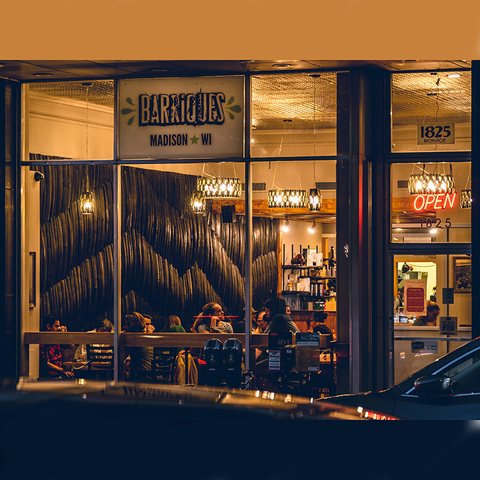
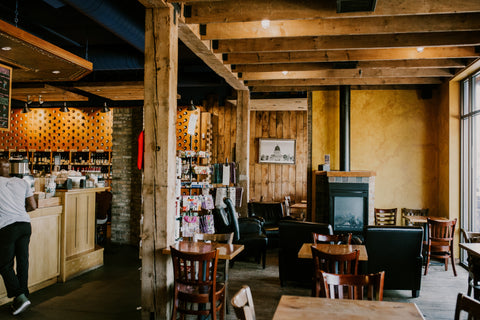
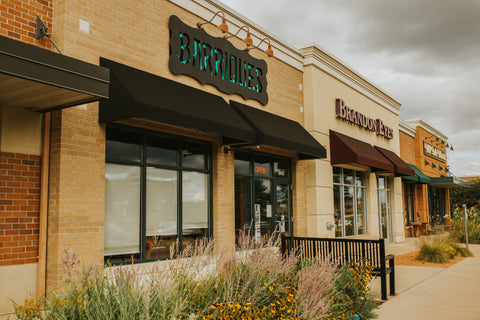
Here is a quick sample of some of the incredible Rosés that are available at a Barriques near you:
2011 Domaine Mordoree Tavel Rosé - Deep pink rose in color, it boasts a floral and fresh raspberry/ cherry nose followed by vibrant fruit flavors, a touch of chalkiness and minerals, and a crisp long finish.
2011 Commanderie de la Bargemone Aix-en-Provence - The wine displays some of the best qualities of the region with explosive aromatics of fresh strawberry, light herbs, and juicy mouth feel. If you are exploring the world of rose wine, this is a must have.
2011 Hecht & Bannier Languedoc Rosé - The nose is a floral and spicy expression with ripe raspberry; palate is round with flavors of cherry and lifted by bright pineapple. Strawberry, watermelon and pomegranate nuances abound in this delectable crispy and dry wine.
2011 Bieler Pere et Fils Rosé - A lip-smacking blend of 50% Syrah and 30% Grenache, 20% Cabernet Sauvignon. Aromas of wild strawberry & watermelon are followed by a bright yet broad mid-palate and crisp finish.
So get hip, get on the wagon, and enjoy some of these great wines.